

Developing impactful innovations for communities
The Conservation Irrigation Lab is a welcoming space for agricultural research that values innovation and life-long learning. Our mission is to support water and soil users by communicating the best available science.


Meet the PI
Mallika Nocco, Ph.D.
As a Cooperative Extension scientist, I collaborate with scientists, growers, policymakers, and water districts to develop management strategies that balance farm livelihoods and conservation. My research and extension program is designed to meet the growing and changing needs of agricultural communities.
I believe that scientists and growers should exchange knowledge and build sustainable solutions together. So, I develop workshops, short-courses, field demonstrations, and webinars to engage folks from all sides of the farm table. Have an idea for an interactive event? I always welcome suggestions, ideas, and feedback!
-
2024 - current
Assistant Professor and Extension Specialist in Agrohydrology
Department of Biological Systems Engineering. University of Wisconsin-Madison.2019 - 2023
Assistant Professor in Cooperative Extension, soil-plant-water relations and irrigation management
Department of Land, Air, and Water Resources. University of California-Davis. -
Soil-Plant-Water Relations (can be tailored for a specific crop or soil type)
Irrigation and Drainage
Physiology of crop water use
Soil hydrologic health
Thermal/multiband drone imagery for crop stress evaluation

Our Values
We are a dedicated group of creative scientists brought together by our shared values:

IMPACTFUL AND CREATIVE INNOVATION
Embrace the sociopolitics of soil, plants, and water science
Good things come to those who hustle
Research and extend knowledge with integrity and honesty
APPROACHABLE AND ACTIONABLE EXTENSION
Communicating the best available science & uncertainty
Respect multiple ways of knowing
Engage with accessibility and without jargon
Incorporate varied agricultural perspectives

COMPASSIONATE AND PRODUCTIVE TEAMWORK
Ask and offer help from each other
Nourish our mental, social, and physical well-being
Respect each other’s time and boundaries
Set reasonable expectations for accomplishing difficult field tasks
LIVING AND WORKING WITH EQUITY AND INCLUSION
Welcome our whole selves to the lab and open ourselves to new perspectives and ideas
Acknowledge structural inequities and seek professional development to deconstruct systemic racism, misogyny, homophobia, and ableism to make us better scientists
Speak up and out against macro and micro aggressions
Exercise grace and forgiveness with each other as we fail, learn, and grow


Meet the Team
-

Dr. Logan Ebert
Postdoctoral Researcher
Biological Systems Engineering, UW–Madison
My research explores the use of drone technology to calculate losses and demands from evapotranspiration in agricultural fields. I earned my Bachelor's degree in Hydrology at the University of Wisconsin - Stevens Point and my Doctorate in Hydrologic Sciences (Hydrobiology Focus) at UC-Davis.
-

Erica Edwards
Doctoral Candidate
Physical Hydrology, UC Davis
I use remote sensing to address water sustainability challenges in orchards (almond, Z. jujuba) and small-scale, diverse cropping systems. My research connects plant physiological processes with spectral indicators of evapotranspiration and stress, while advancing the capabilities of tower-based, drone, and satellite instruments for estimating photosynthesis and consumptive water use.
-

Kelsey Fenn
Doctoral Candidate
Soils and Biogeochemistry, UC Davis
I explore how water conservation management practices impact biogeochemical processes and can enable soil microorganisms to improve soil health. I am eager to create accessible pathways for science communication to advance regenerative agriculture.
-

Andrew Gal
Doctoral Candidate
Soils & Biogeochemistry, UC Davis
My research develops and evaluates novel techniques to track water use and stress needed for irrigation management in wine grapes, almonds, and processing tomatoes using remote sensing and eddy covariance systems.
-
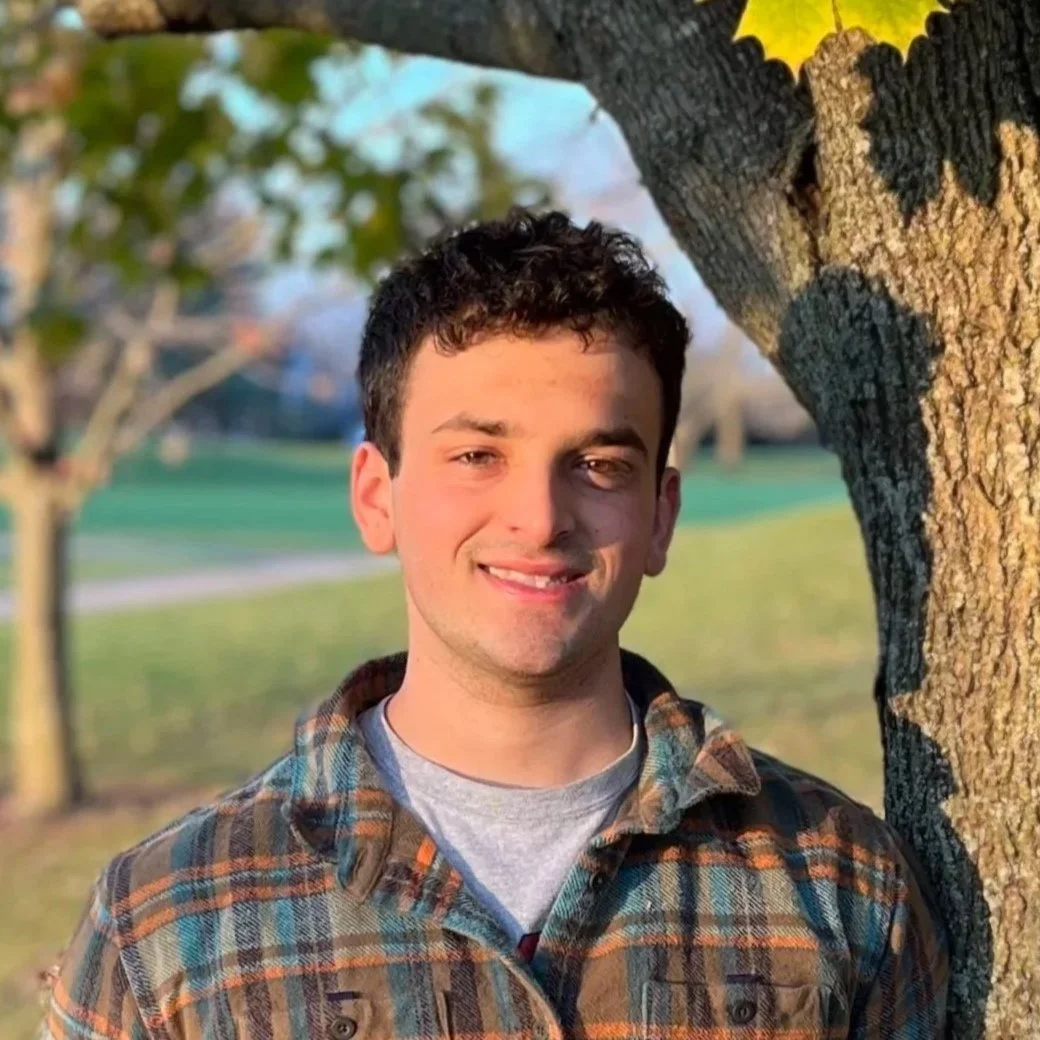
Daniel Maraldo
Doctoral Student
Physical Geography, UW–Madison
I use remote sensing and field approaches to evaluate the benefits and tradeoffs of different management practices on minimizing nutrient loss in integrated crop-livestock systems. My goal is to work toward a system of dairy production that both benefits producers and improves water quality in Wisconsin.
-

Jaya Suneja
M.S. Student
Biological Systems Engineering, UW–Madison
My work focuses on utilizing UAVs to map the distribution uniformity in almond orchards, with the aim of optimizing irrigation practices in California’s arid climate as well as creating a tool that can measure DU frequently and reliably compared to current methods. My career goal is to use engineering and science communication to develop sustainable solutions that enhance water conservation in agricultural settings and beyond.
-
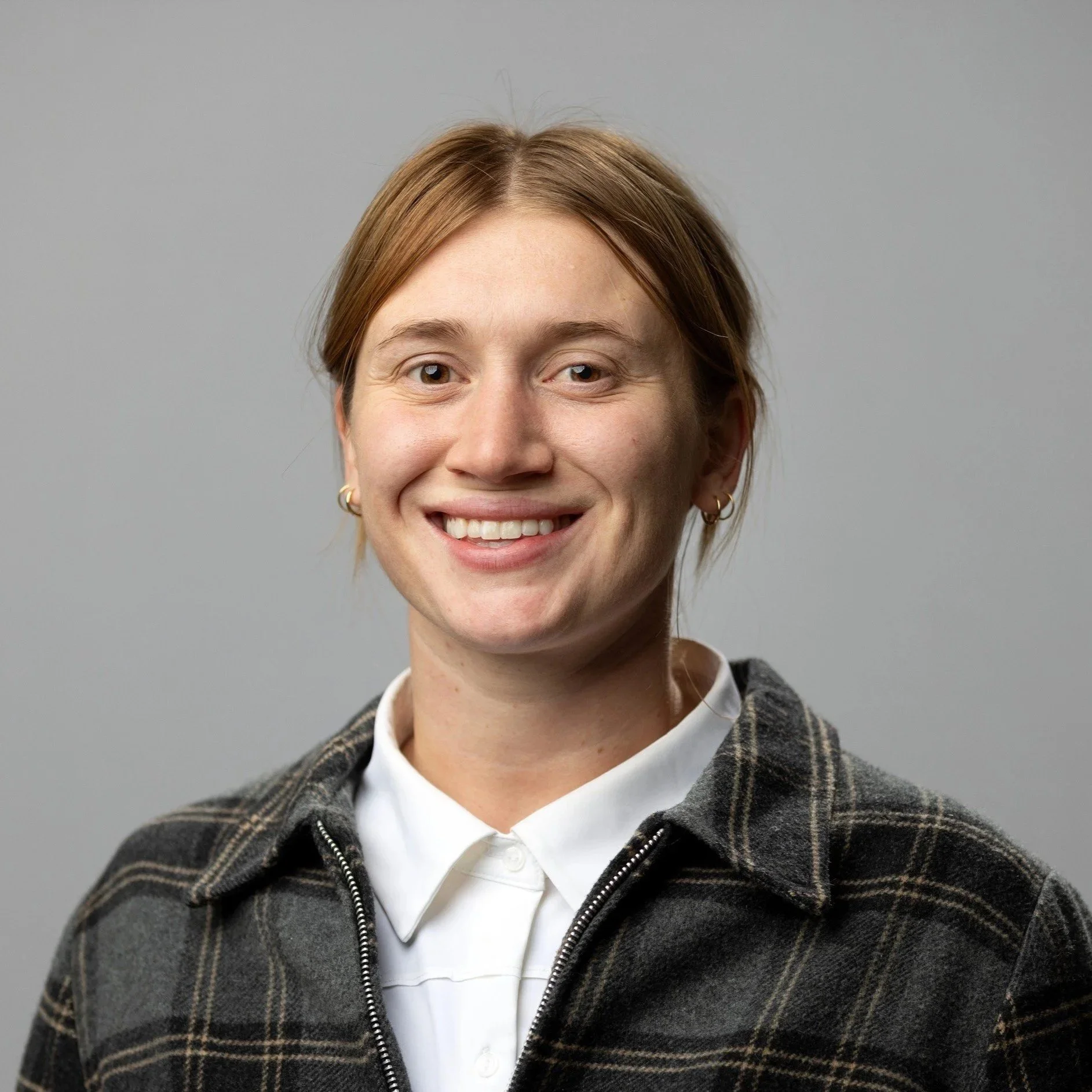
Caitlin Wienkes
M.S. Student
Biological Systems Engineering, UW–Madison
I am continuing my education at UW-Madison, where I received a bachelor’s degree in Biological Systems Engineering, to improve my skills as Instrumentation Engineer for the Wisconet. The Wisconet is a 78-station weather monitoring network my team deployed across the state of Wisconsin. For my thesis project, I will work with cranberry growers, UW Extension, and UW researchers to collect in-situ data from cranberry beds nearby Wisconet weather stations to support the effort of validating a cold hardiness tool for cranberry.
Impactful
⚬
Creative
⚬
Innovative
⚬
Collaborative
⚬
Impactful ⚬ Creative ⚬ Innovative ⚬ Collaborative ⚬
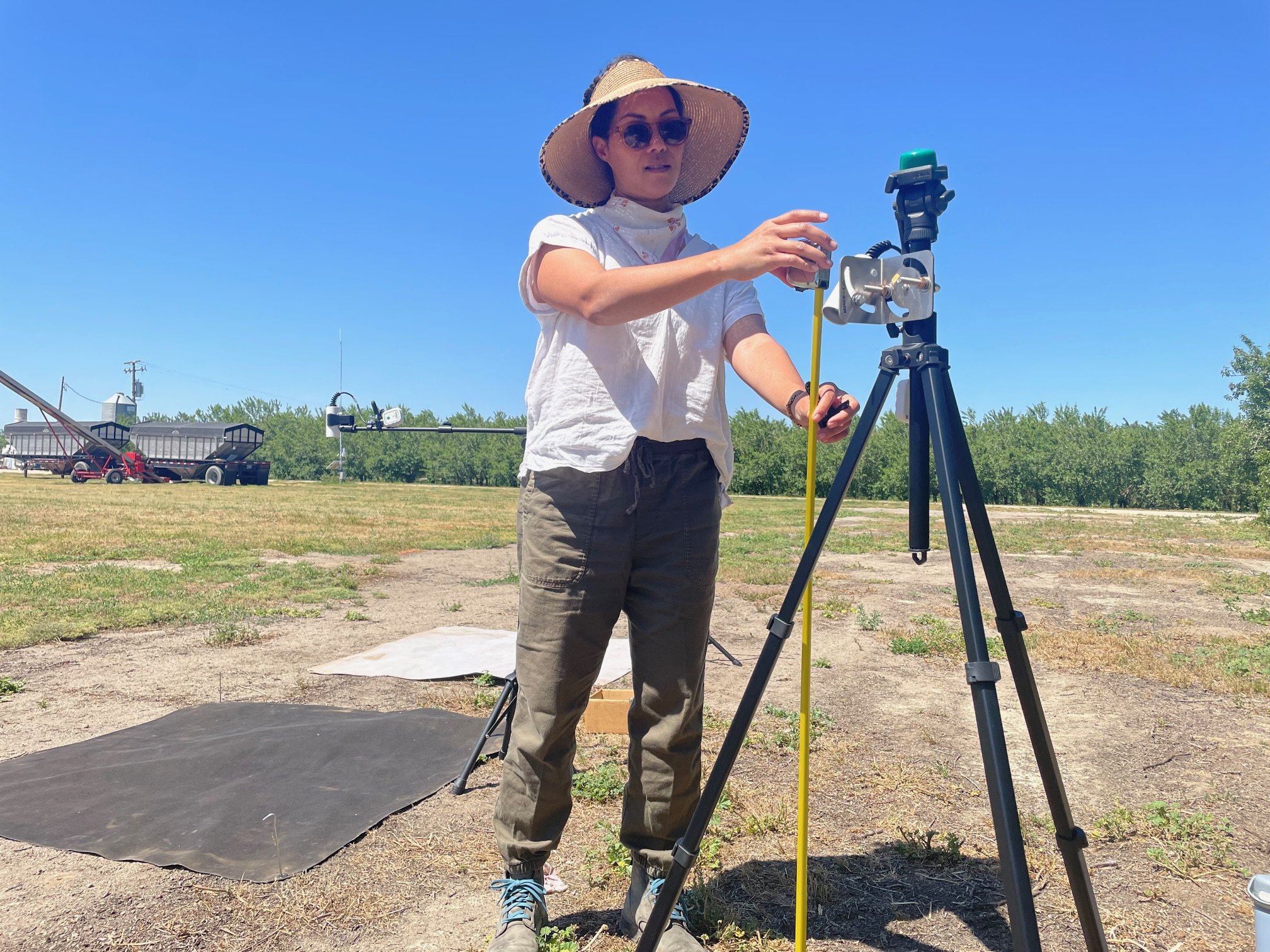
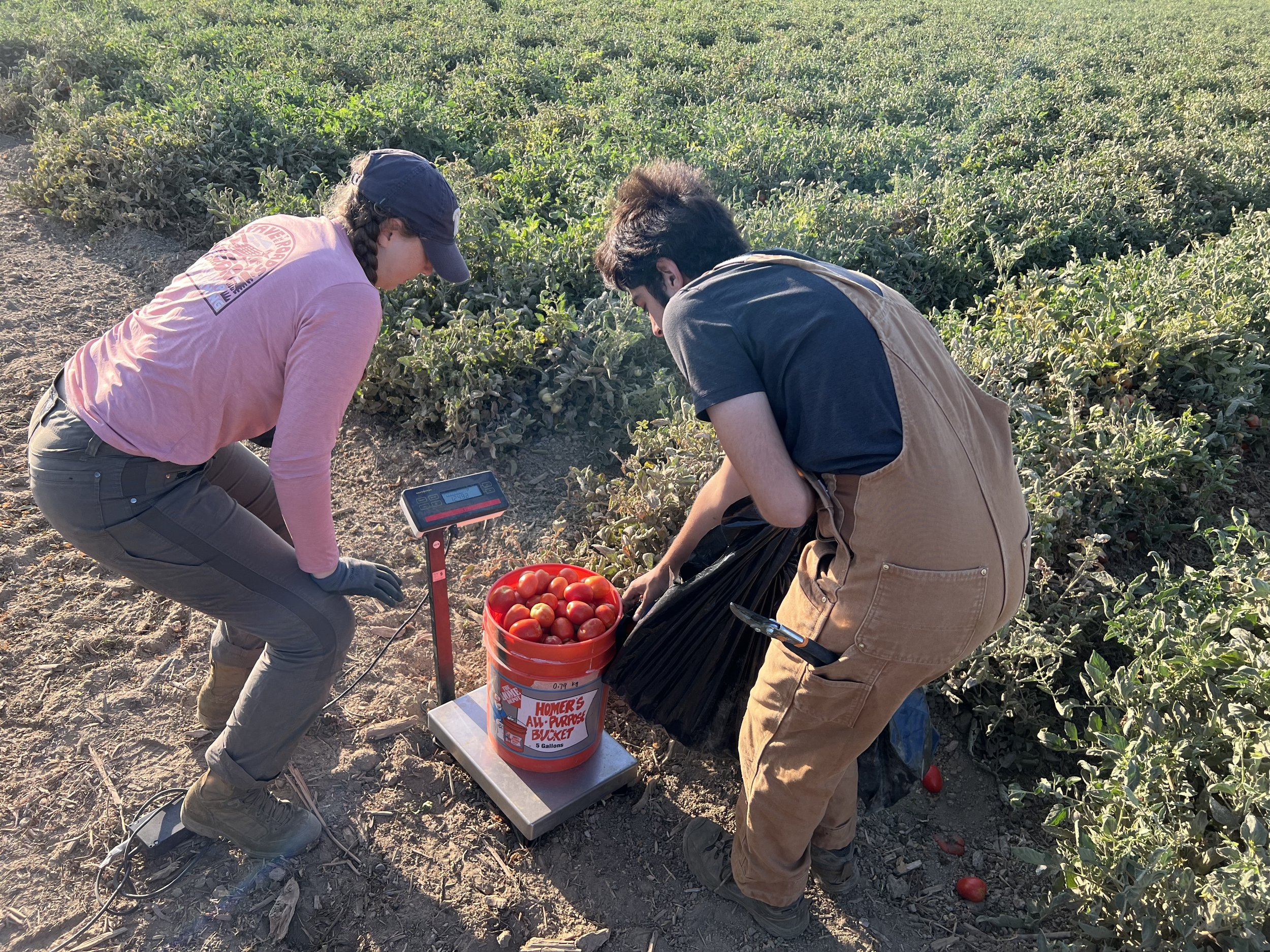
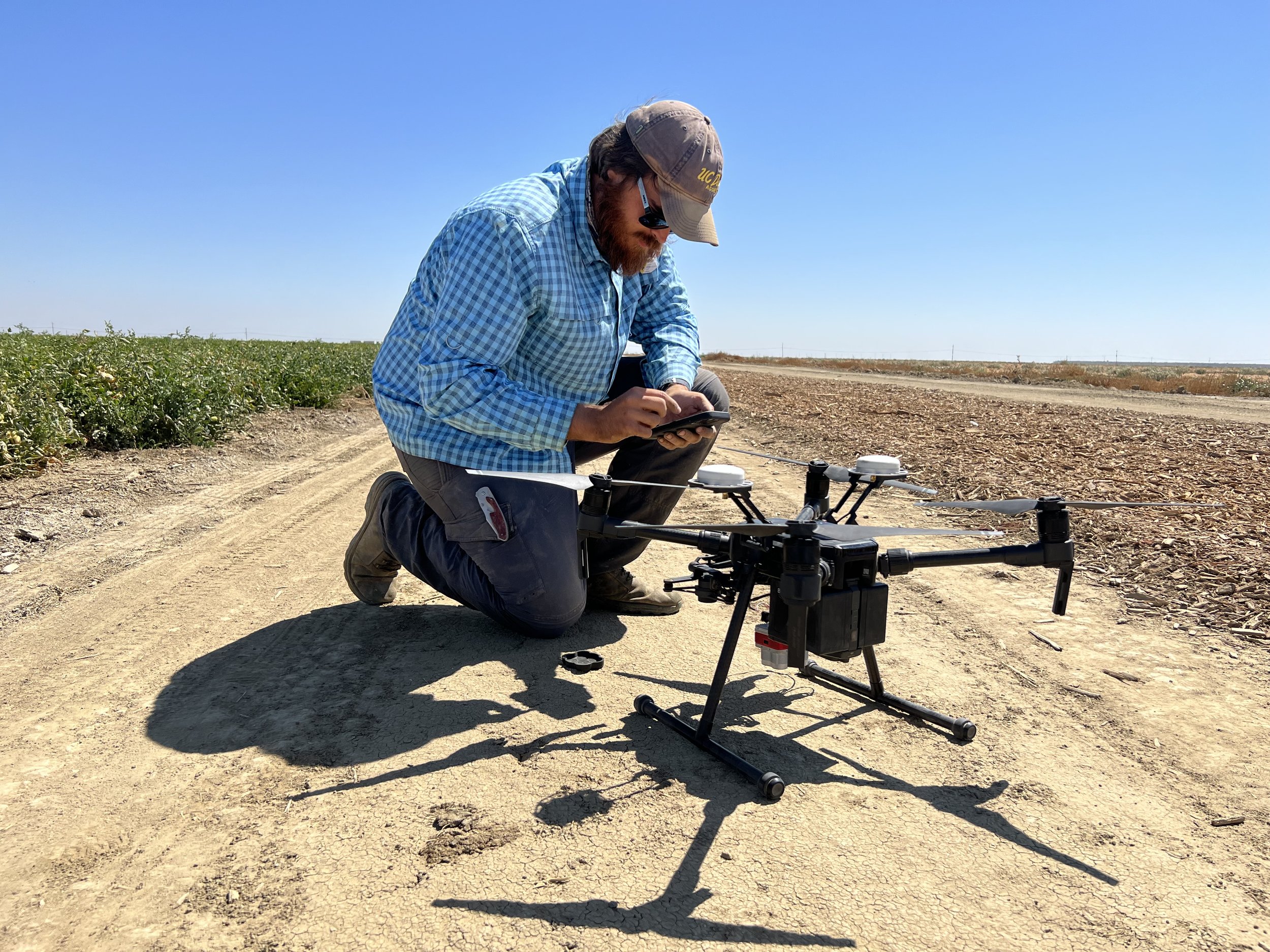
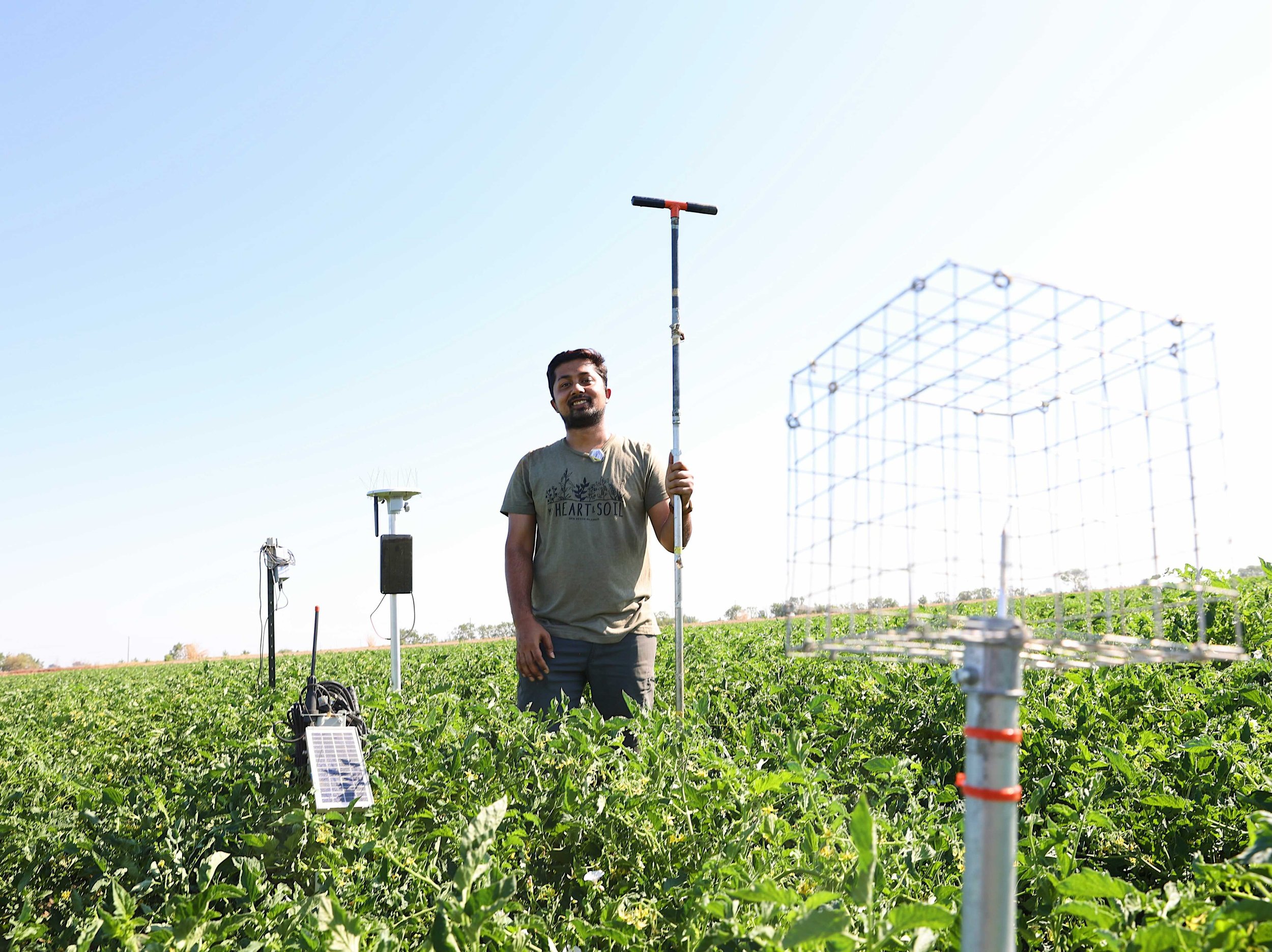
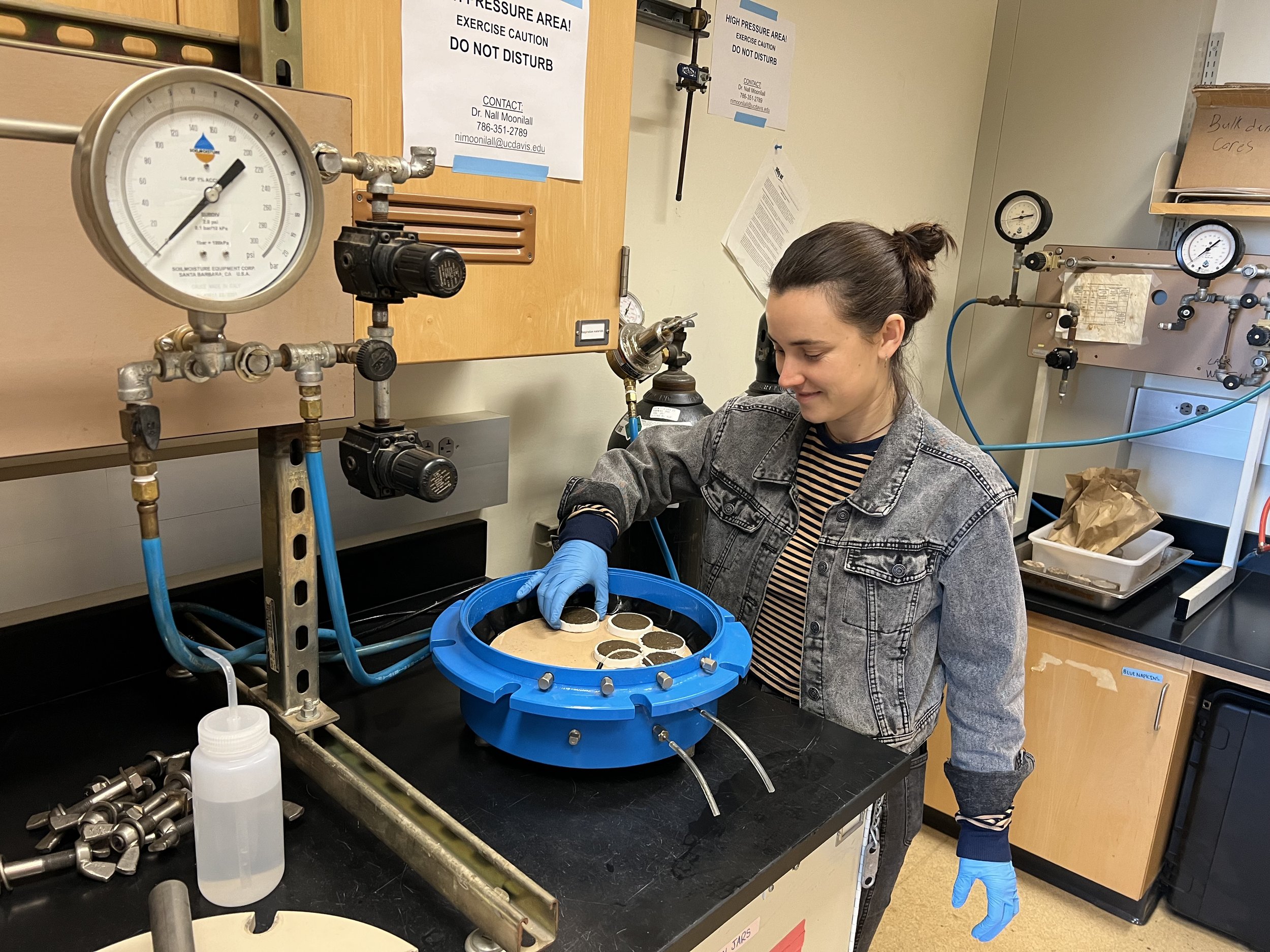
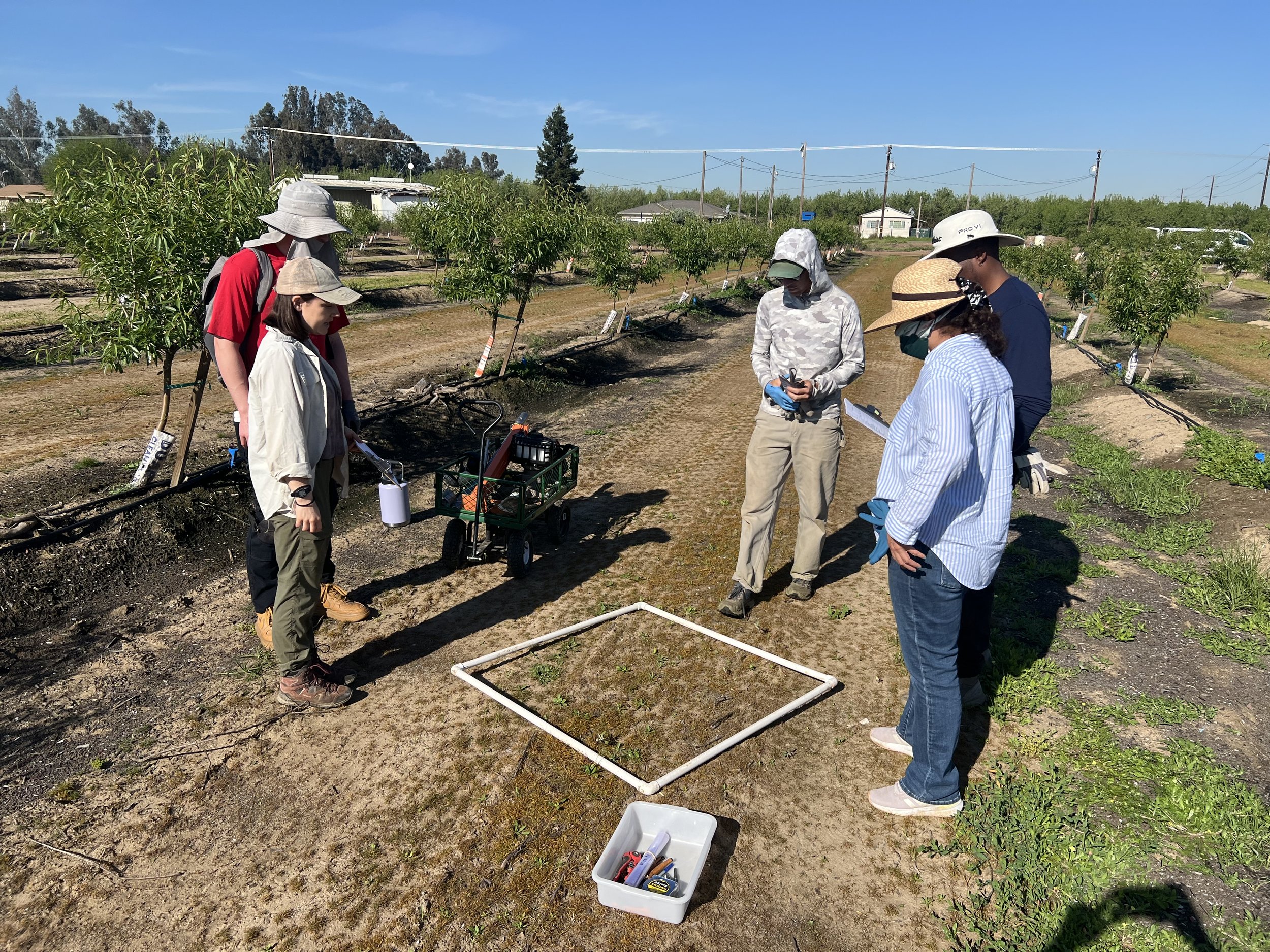
Our lab in action!



Want to join the Conservation Irrigation Lab?
We welcome inquiries from prospective undergraduates, graduate students, and post-doctoral fellows interested in developing fellowship or grant proposals. Dr. Nocco advises graduate students in the Biological Systems Engineering and Soil Science programs at UW–Madison. Positions in the lab are competitive and dependent on external funding and project availability.